Table of contents
Whether a filling is enough depends on how far the damage has reached and whether the nerve is healthy.
A filling is enough while the nerve inside the tooth is healthy, and a root canal is needed once that nerve is infected or badly damaged. The choice of root canal vs. filling turns on how far the damage has traveled into the tooth.
A filling replaces decayed or worn tooth structure and leaves the inside of the tooth alone. Root canal treatment removes the infected or inflamed pulp, the soft tissue that holds the nerve and blood vessels, and then cleans and seals the empty canals.
Has a dentist mentioned a filling, and now someone else is talking about a root canal? The sections below explain how that decision gets made.
Quick Answer
A filling is enough when decay is shallow and the nerve inside the tooth is still healthy. A root canal is needed when a deep cavity, a crack or an injury has infected or badly damaged that nerve. A dentist uses cold testing, tapping and X-rays to find out which one the tooth needs.
Key Takeaways
- A filling suits a tooth where decay stays shallow and the nerve inside is still healthy.
- Pulp infected by a deep cavity, a crack or an injury usually needs a root canal.
- Lingering pain, swelling or a gum pimple can signal a pulp problem rather than simple decay.
- Cold testing, tapping and X-rays let a dentist judge the health of the nerve.
- A root canal usually takes one or two visits, and local anesthesia keeps the procedure comfortable.
What Does a Filling Actually Fix?
A filling rebuilds the part of a tooth that decay or wear has taken away. The dentist cleans out the damaged area and packs in material that restores the shape, so the tooth can chew normally again.
When the decay has not reached the soft center of the tooth, nothing inside needs to be removed. A small or medium cavity can often be treated with a filling if the pulp is healthy.
What Happens When Decay Reaches the Nerve?
According to MouthHealthy, the pulp inside a tooth holds nerves and blood vessels, and a deep cavity can infect it. Repeated dental work on the same tooth, a cracked or fractured tooth and an injury can also infect the pulp, even when no chip or crack is visible.
Once bacteria reach the pulp, a filling cannot get to them. The infection can spread to the tissue around the root and cause pain and swelling, and an abscess can form in the bone at the tip of the root. At that stage the tooth needs the pulp removed, not just the cavity covered.
How Do I Know If I Need a Root Canal?
The tooth’s own symptoms give the first clues. A cavity that only twinges with sweets or cold often points toward a filling, while pain that lingers, throbs on its own or wakes someone at night suggests the nerve is involved.
Other warning signs include pain when biting, swelling in the gum and a pimple-like bump near the tooth. A tooth that has darkened after an injury can also have a damaged nerve. Some infected teeth hurt very little, and pain can even fade after the nerve dies, so a tooth that does not hurt can still need a root canal.
How Does a Dentist Decide Between a Filling and a Root Canal?
The dentist starts with the history, such as which tooth hurts, what sets it off and how long the pain lasts. Then come the tests. Touching the tooth with something cold shows whether the nerve responds normally and how long the sensation lingers. Tapping on the tooth checks the tissue around the root.
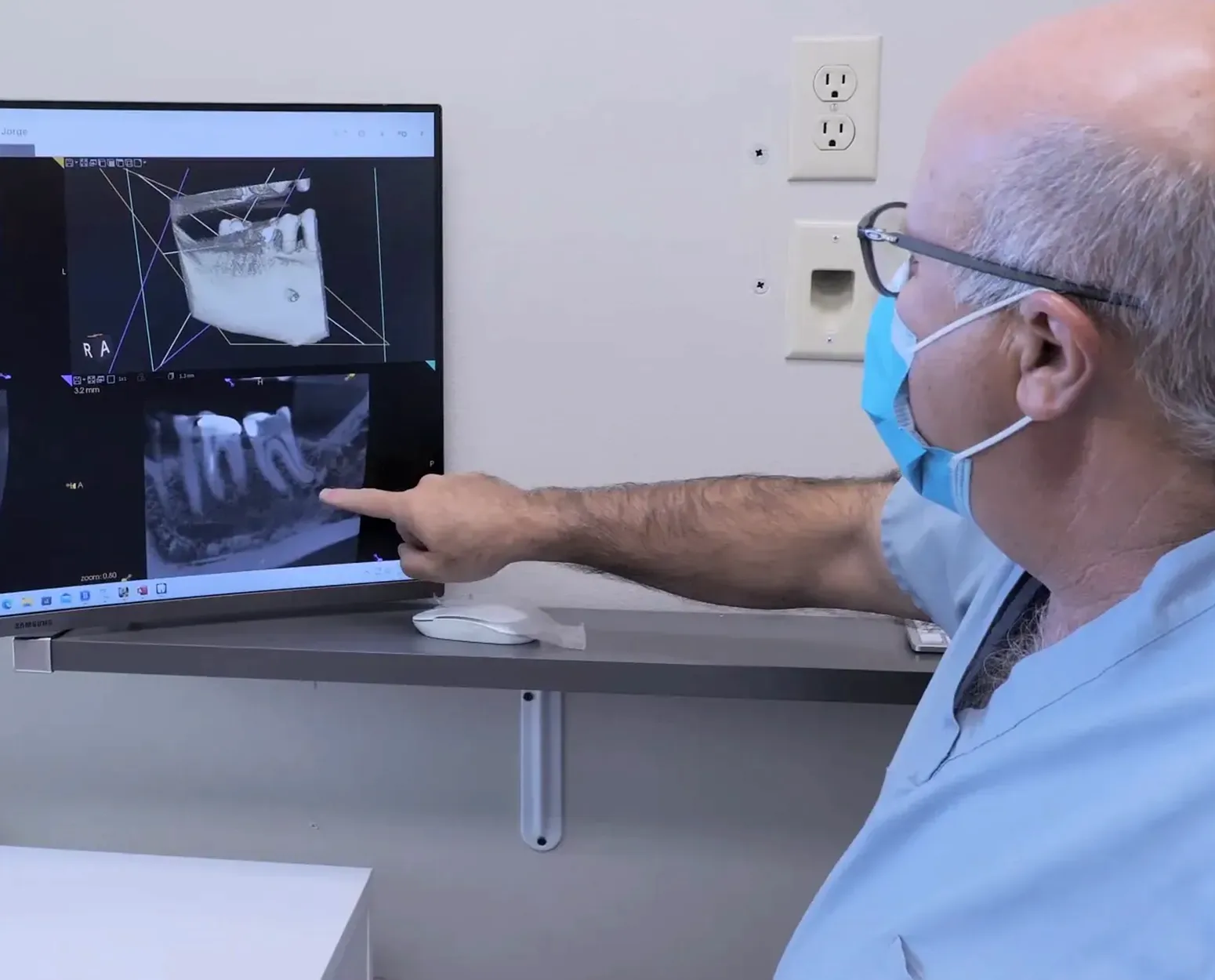
X-rays show the depth of the decay and any dark area of infection near the root tip. When the tests and X-rays leave the answer unclear, an endodontist, a dentist who specializes in the pulp and the tissues around the roots, takes a closer look. Three-dimensional imaging can show detail that a flat X-ray cannot.
What Does a Filling or a Root Canal Involve?
A filling is usually finished in a single appointment. The area is numbed, the decay is removed and the material is placed and shaped.
A root canal usually takes one or two office visits, and MouthHealthy notes that local anesthesia leaves little to no pain during the procedure. The dentist opens the top of the tooth, removes the nerve tissue, cleans each canal and fills the canals with a rubber-like material that seals them against future infection. A temporary filling protects the tooth until a permanent filling or a crown is placed.
Can a Tooth With a Filling Still Need a Root Canal Later?
Yes. A filling treats the decay that existed on the day it was placed. If the cavity was deep, the nerve may already have been irritated, and it can keep deteriorating after the repair.
A tooth that has had several fillings over the years, or that has been cracked or struck, is more likely to need a root canal later. Pain that begins weeks or months after a filling can mean the nerve has become inflamed or infected since the repair.
Match the Treatment to the Nerve
The right choice depends on whether the nerve is healthy, not only on how big the cavity is. A filling is enough while the pulp is healthy, and root canal treatment is the way to save a tooth once the pulp is infected or badly damaged. Both treatments keep the natural tooth in place.
Removing an infected nerve also protects the bone around the root from further damage. A tooth that has been treated properly and restored with a crown or filling can go on working for years.
Frequently Asked Questions
Can I wait on a root canal if the tooth stopped hurting?
Waiting is risky, because pain can fade after the nerve dies while the infection stays active. A tooth that no longer hurts can still need treatment. A dentist can check the tooth with cold testing and X-rays, and the sooner an infected tooth is treated, the less damage the surrounding bone may suffer.
Will I need a crown after a root canal?
The dentist covers the tooth with a permanent filling or a crown after the canals are sealed. A temporary filling protects the tooth in the meantime. Which one fits depends on how much healthy tooth remains, so the dentist recommends one after looking at the tooth.
Who should do my root canal, a general dentist or an endodontist?
An endodontist is a dentist who specializes in the pulp and the tissues around the roots. When tests and X-rays leave the answer unclear, a general dentist may refer the patient to an endodontist, who can use three-dimensional imaging to look more closely at the tooth.
Related Reading
About the Author
This post was reviewed by Dr. Lars Björn Jönsson, DDS, MS, who trained at the University of the Pacific Arthur A. Dugoni School of Dentistry, completed an endodontic residency and MS in Oral Biology at the University of Illinois at Chicago and an implant dentistry fellowship at Loma Linda University, and focuses exclusively on endodontic diagnosis and treatment.
- If you want to learn more about the difference between a filling and a root canal, visit our Root Canal Treatment in Laguna Hills, CA, page or schedule a consultation.