Table of contents
Dealing with a toothache that just will not quit? A few telltale symptoms can mean you need a root canal to save the tooth. A root canal, also called endodontic treatment, removes infected or inflamed pulp from inside a tooth. Catching the signs early makes root canal treatment simpler and protects the tooth from bigger problems. It is a common concern across Laguna Hills, nearby Lake Forest, and Mission Viejo.
Key Takeaways
- Ongoing tooth pain is a classic sign of infected pulp. It rarely improves on its own.
- Lingering sensitivity to hot or cold points to nerve damage. The ache outlasts the drink or food.
- Swollen gums or a pimple near a tooth suggest an abscess. That is a clear sign of infection.
- A darkening tooth can mean the pulp inside has died. The color shift is easy to miss.
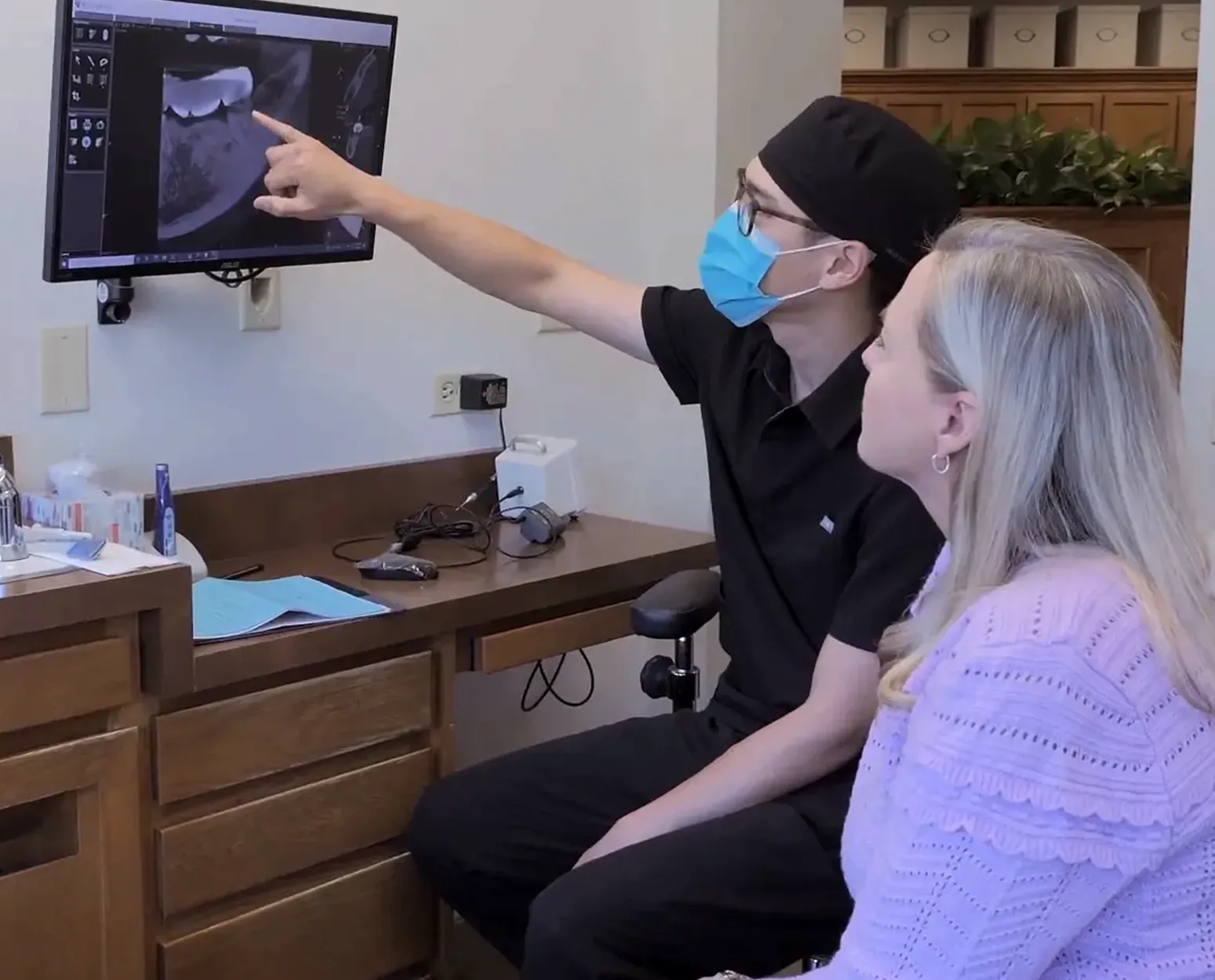
- Only an exam confirms the need for treatment. Our endodontist checks the tooth and takes X-rays.
How Do You Know If You Need a Root Canal?
The clearest answers come from your symptoms and a careful exam. According to the Cleveland Clinic, a root canal becomes necessary once the soft tissue inside a tooth, the pulp, is infected or badly inflamed, frequently from deep decay, a fracture, or several past fillings. Left untreated, that infection can spread to the jaw or beyond and cost you the tooth. Fortunately, the warning signs are usually noticeable once you know what to watch for. Endodontic problems rarely resolve on their own, and the right diagnosis always comes from an exam and X-rays. Here are five of the most common.
1. Persistent Tooth Pain
Ongoing pain is the most familiar warning sign. It may throb, linger, or flare when you least expect it, and over-the-counter relief only masks it. This kind of pain often points to inflamed or infected pulp deep inside the tooth. When a toothache keeps returning, it is worth having checked. Pain that wakes you at night is an especially strong hint, and an untreated infection tends to grow rather than fade. Throbbing that returns each evening is a common pattern.
2. Lingering Sensitivity to Hot and Cold
Brief sensitivity is normal, but a lasting reaction is not. If a sip of coffee or a bite of ice cream leaves an ache that hangs on for many seconds, the nerve may be damaged. That prolonged response suggests the pulp is struggling to recover. It is one of the earliest clues an endodontist looks for. Cold that lingers can be even more telling than heat, and a quick test can confirm what the nerve is actually doing. If a tooth aches with no trigger at all, that is telling too.
3. Swollen or Tender Gums
The gums often reveal what is happening below the surface. Swelling, tenderness, or a small pimple-like bump near a tooth can signal an abscess draining infection. You might notice a bad taste or see the bump come and go. Any of these deserves prompt attention, since swelling can spread quickly when it is ignored. The body is signaling an infection that needs care, and our endodontist can drain and treat the source quickly.
4. A Darkening Tooth
A single tooth that turns gray or brown may be more than a stain. Discoloration can mean the pulp inside has died and started to break down. Unlike a surface stain, this change comes from within the tooth itself. It is a quiet sign that is easy to overlook, because it does not hurt. An X-ray reveals what the eye cannot, and comparing the tooth to its neighbors makes the change obvious. A subtle gray tint is always worth a second look.
5. Pain When Chewing or Biting
Pain that spikes when you bite down is another red flag. It can point to a cracked tooth or an infection reaching the root. Sometimes the discomfort lingers even after you stop chewing. You may catch yourself chewing on the other side without thinking about it, which is worth paying attention to. An exam pinpoints the source of the pain, since biting pressure can reveal a problem a resting tooth hides.
Getting the Right Care in Time
If any of these signs sound familiar, you may need a root canal, and acting early makes all the difference. Modern root canal treatment is comfortable and saves a tooth that might otherwise be lost. Only an exam and X-rays can confirm what is happening beneath the surface. Our team can pinpoint the cause and help you feel better fast. There is no reason to live with a nagging toothache, since relief is usually closer than people expect. You do not have to guess about what is wrong, and our endodontist focuses on saving teeth rather than just quieting pain. Early care keeps the options simple.
If you want to learn more about saving an infected tooth, visit our Root Canal Treatment in Laguna Hills, CA page or schedule a consultation.