Table of contents
Had a root canal years ago and feeling pain in that tooth again? It surprises many people that some root canals fail months or even years after treatment. A root canal fails when the treated tooth does not fully heal or becomes reinfected over time. In most cases, a second procedure called root canal retreatment can still save the tooth. Our endodontist sees this regularly at our Laguna Hills office near the Laguna Hills Community Center.
Key Takeaways
- Root canals have a high success rate but are not perfect. A small number fail over time.
- Failure often traces to canals missed during the first treatment. Hidden or curved canals can shelter bacteria.
- A delayed crown or a leaking filling can let bacteria back in. New decay or trauma can as well.
- Symptoms may return months or years later. Pain, swelling, or sensitivity are common signs.
- Retreatment can often save the tooth. Our endodontist reopens, cleans, and reseals the canals.
Why Do Some Root Canals Fail Years Later?
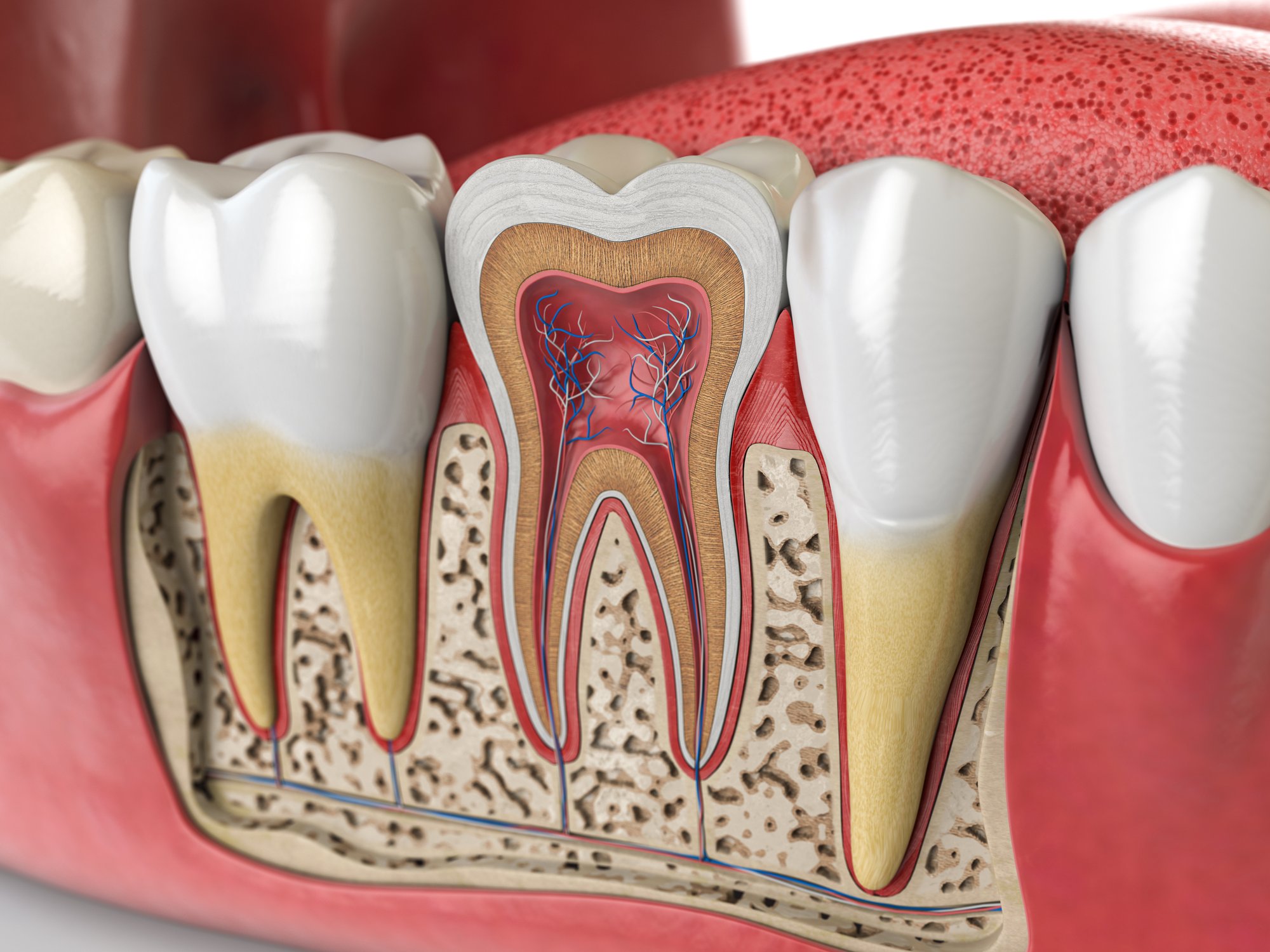
Even a well-done root canal is not guaranteed forever. The American Association of Endodontists notes that a treated tooth may not heal when narrow or curved canals are left untreated, when complex canal anatomy is missed, or when the final crown is placed too late. In each case, bacteria find a way to survive or slip back inside the tooth. Over time, that lingering infection flares up again. The result is a tooth that hurts long after you thought it was fixed. In many cases, the tooth felt perfectly fine for years before the trouble reappeared.
What Causes a Root Canal to Fail?
A few specific problems are behind most failures. Tiny side canals or an extra root can escape the first treatment and hide bacteria. A cracked tooth, a loose filling, or a leaking crown lets new bacteria seep in. Age and heavy chewing forces can also wear down an old restoration. Fresh decay around the restoration can also reopen the door to infection. Even a small gap at the edge of a crown can be enough, since bacteria only need a narrow opening.
What Are the Signs of a Failing Root Canal?
A failing root canal usually announces itself. You may feel a returning ache, tenderness when biting, or new sensitivity in a tooth that had gone quiet. Swelling, a gum pimple, or a bad taste can also appear. Any change in a previously treated tooth is worth reporting. Because the tooth has no live nerve, some cases show up only on an X-ray. That is why a checkup can catch a problem before you feel it, since imaging often reveals a shadow of infection near the root.
How Does Retreatment Save the Tooth?
Retreatment is a second chance for a previously treated tooth. Our endodontist reopens the tooth, removes the old filling material, and searches for canals or infection missed the first time. The canals are then cleaned, disinfected, reshaped, and sealed once more. A new crown or filling restores and protects the tooth for the long term. The whole process is a lot like the original root canal, only more thorough, and local anesthesia keeps you comfortable throughout. The tooth is then rechecked to confirm it has fully settled.
Can a Failed Root Canal Be Prevented?
You cannot guarantee success, but a few steps improve the odds. Getting the permanent crown placed promptly seals the tooth against new bacteria. Having an endodontist handle complex canals helps catch hidden anatomy. Good hygiene and regular checkups protect the restoration over the years. Treating a cracked or worn filling early keeps bacteria out, and steady upkeep keeps the tooth protected for years to come. A little diligence protects your original investment.
Frequently Asked Questions
Is retreatment better than pulling the tooth?
In most cases, yes. Saving your natural tooth preserves your bite and avoids the need for an implant or bridge. Retreatment is often simpler and more affordable than replacement.
Does a failed root canal always hurt?
A failing tooth does not always cause pain, since the nerve is already gone. Some problems show up only on an X-ray during a checkup. That is one reason regular visits matter.
How successful is root canal retreatment?
Retreatment has a high success rate, especially when done by an endodontist. Clearing the missed infection and resealing the tooth gives it a strong second chance. Many teeth go on to last for years.
A Second Chance to Save Your Tooth
So why do some root canals fail years later? Usually, it is a missed canal, a leaking restoration, or new decay that allows infection to return. The reassuring part is that root canal retreatment can often resolve the problem and keep your natural tooth. If an old root canal is bothering you, an evaluation is the best next step.
If you want to learn more about why root canals fail, visit our Root Canal Retreatment in Laguna Hills, CA page or schedule a consultation.