Table of contents
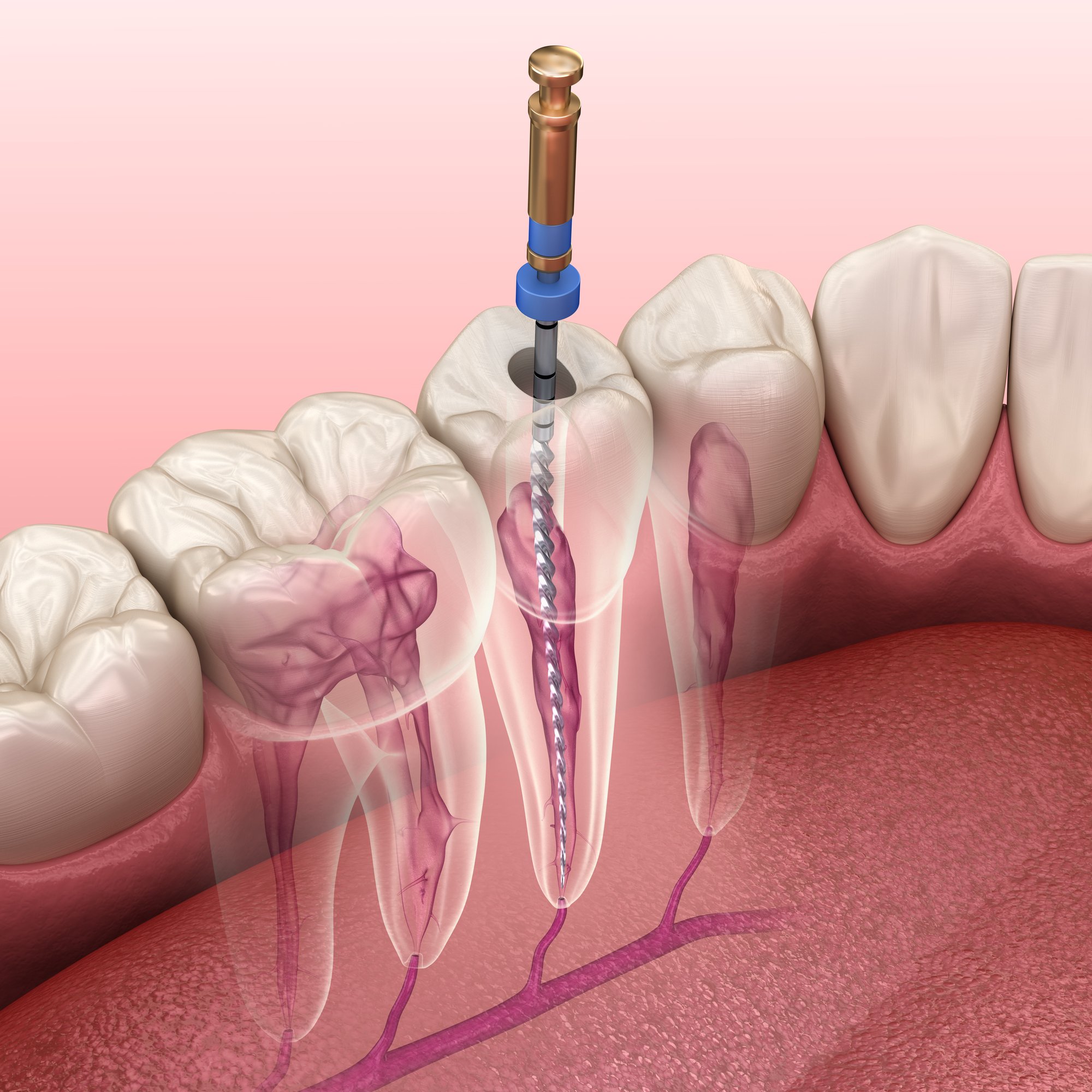
The words “root canal” can make anyone wince, but why do root canals carry such a scary reputation? The fear is mostly a leftover from the past. A root canal treatment removes infected pulp from inside a tooth, relieving pain rather than causing it. Thanks to modern anesthesia and technique, the procedure today feels much like getting a filling. Understanding where the myth came from makes it a lot less intimidating. Root canals may be the most misunderstood procedure in dentistry, and the truth is that the treatment relieves suffering rather than adding to it.
Key Takeaways
- The scary reputation traces back to outdated procedures, not to modern root canals.
- Most of the pain people fear comes from the infection itself, not the treatment.
- Local anesthesia makes a modern root canal feel much like a filling.
- Root canal treatment relieves pain and saves the natural tooth from extraction.
- Sedation options exist for anyone whose anxiety makes dental treatment stressful.
Where Did the Scary Reputation Come From?
The fear is rooted in dentistry’s past. Decades ago, before advanced anesthetics and instruments, dental procedures could be genuinely uncomfortable, and root canals became the symbol of dental dread. Movies, cartoons, and offhand jokes kept that image alive long after the reality changed. Today, the tools, techniques, and pain control are completely different. The reputation simply has not caught up with modern care.
Word of mouth also plays a role, since a bad experience decades ago gets retold for years, and the name alone carries decades of baggage. Fear passes from parent to child long after the science moves on, so breaking that cycle starts with accurate information. The modern reality is much gentler than the stories suggest, and today’s patients deserve a picture based on current care, not old horror stories.
Do Root Canals Actually Hurt?
For the vast majority of patients, no. According to the Cleveland Clinic, a root canal removes infected tissue to relieve pain and save the tooth, and the procedure is common and routine. The tooth and surrounding area are numbed, so you feel pressure but not pain. Modern painless endodontics uses precise anesthesia and gentle techniques to keep you comfortable throughout. The intense pain people associate with root canals is almost always the infection itself, which the treatment removes. In other words, the procedure is the cure for the pain, not its cause, and endodontists perform these treatments every day with a focus on comfort. Advances in instruments and imaging have made the process quicker and smoother than ever, and for most people the anticipation is worse than the appointment. Success rates often exceed 90 percent; treated teeth can last a lifetime, and that track record speaks for itself.
Why Do People Think Root Canals Are So Painful?
The timing of the pain creates confusion. A tooth that needs a root canal is often already throbbing from infection or inflammation. Patients arrive in pain, have the procedure, and remember the discomfort that came before it. In reality, the root canal is what ends that pain. Blaming the treatment for the infection’s pain is the heart of the myth. It is a bit like blaming the ambulance for the accident, since the tooth was already hurting and the root canal is what finally stops it. Reframing the experience this way helps many anxious patients relax, and understanding the difference removes much of the dread. The relief afterward is often immediate and lasting.
What If You’re Still Anxious?
Feeling nervous is completely normal, and there are options. For patients who dread the chair, sedation dentistry for root canal anxiety can make the visit calm and manageable. Choices range from laughing gas to oral or IV sedation, depending on your needs. Your endodontist will also explain each step so there are no surprises. No one should avoid a tooth-saving treatment because of fear. Talking openly with the endodontist about your worries is the first step, and no question is too small to ask before you begin. Many patients find that simply knowing what to expect eases most of their anxiety, and comfort measures, from headphones to blankets, are common in modern offices. The goal is a calm, positive experience from start to finish.
Frequently Asked Questions
Does a root canal treatment hurt during the procedure?
No. The tooth and surrounding tissue are fully numbed, so you feel pressure but not pain. Most patients say it feels very similar to having a cavity filled.
Why does my tooth hurt before the root canal?
The pain comes from infected or inflamed pulp inside the tooth. The root canal removes that tissue, which is what relieves the pain.
Can I be sedated if I’m nervous?
Yes. Options from laughing gas to IV sedation can ease anxiety and keep you comfortable throughout the visit.
Rewriting the Root Canal Story
Why do root canals have such a scary reputation? It is an outdated image from a time before modern anesthesia and technology. Today, root canal treatment is a comfortable, routine procedure that relieves pain and saves your natural tooth. With sedation available for anxious patients, there is little reason to fear it. The real story is one of relief, not dread, and a modern root canal is nothing like its reputation.
If you want to learn more about why root canals feel so intimidating, visit our Root Canal Treatment in Laguna Hills, CA page or schedule a consultation.