Table of contents
Had a root canal that’s acting up again and wondering what comes next? The root canal retreatment process reopens a previously treated tooth to clear a lingering or returning infection. Root canal retreatment is a second procedure that removes the old filling material, disinfects the canals, and seals them again. It gives a tooth that didn’t fully heal a real second chance instead of an extraction. Knowing what the process involves takes most of the worry out of it.
Key Takeaways
- Retreatment is a second root canal for a tooth that didn’t fully heal or got reinfected.
- An endodontist reopens the tooth, removes the old filling, cleans the canals, and reseals them.
- A crown or post may need to come off first to reach the canals underneath.
- The process feels much like the original root canal and is done under local anesthesia.
- Retreatment can save a natural tooth that would otherwise need to be pulled.
What Is the Root Canal Retreatment Process Like?
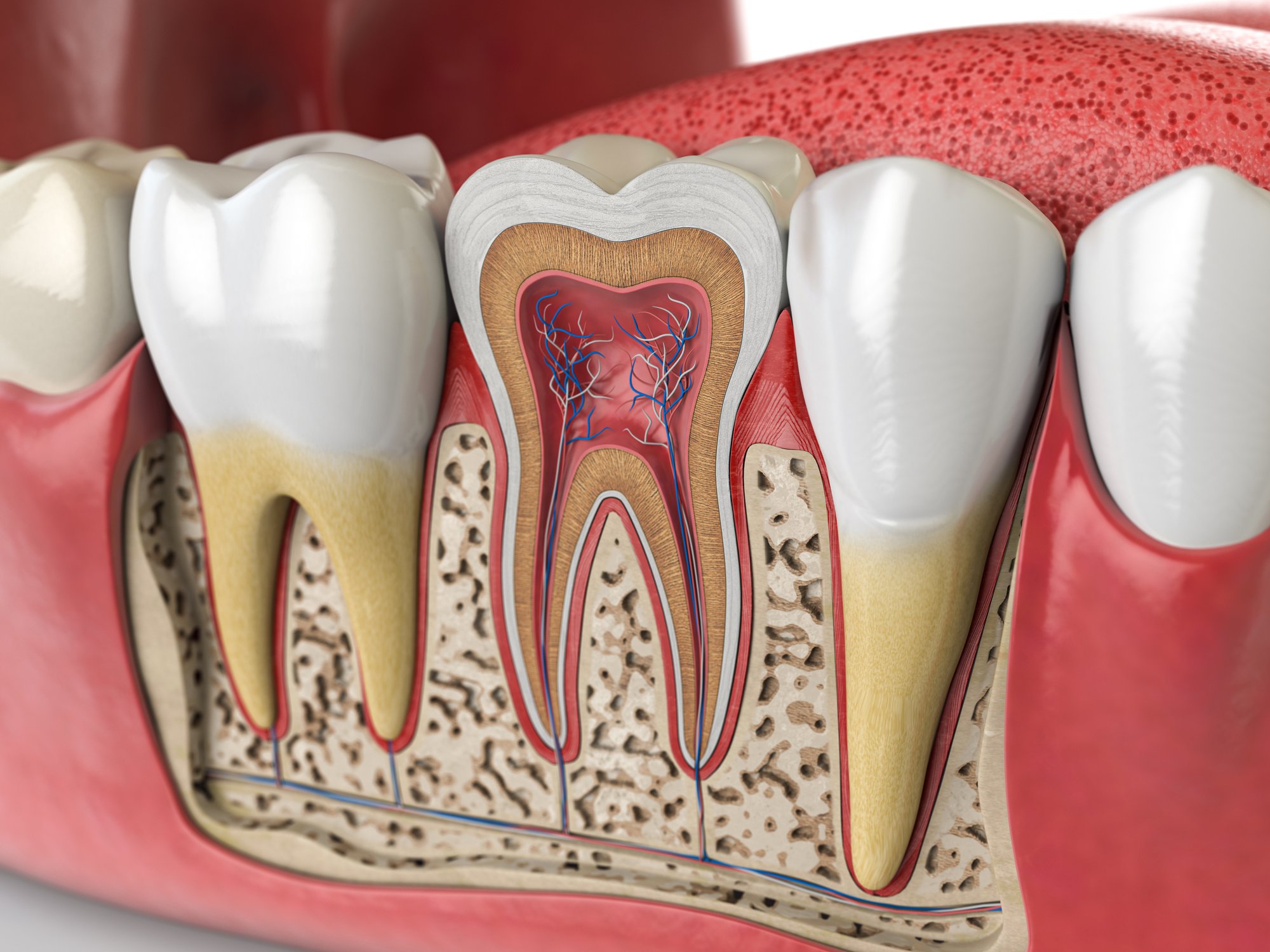
It follows a clear, step-by-step path. As the American Association of Endodontists explains, an endodontist reopens the tooth to reach the root canal filling material, and in many cases a crown, post, and core have to be disassembled and removed first. Once inside, the endodontist clears out the old filling, then examines the canals closely, often with a microscope, to find anything missed the first time. The canals are cleaned, disinfected, and refilled, and a filling or crown is placed to restore the tooth. Newer tools and techniques mean a lot can be found and fixed that wasn’t reachable before. Because the tooth has already been through treatment once, the focus this time is on locating and cleaning whatever the first procedure missed.
Why Would a Tooth Need Retreatment?
A treated tooth usually lasts for years, but not always. Narrow or curved canals that were hard to reach the first time can hide bacteria. New decay, or a cracked or loose crown, can let fresh bacteria seep back into the tooth. Sometimes a canal was simply missed, or the tooth was slow to heal. When any of these lets infection settle back in, retreatment addresses the source rather than just the symptoms. Spotting the reason early tends to keep the fix as simple as possible.
Does Retreatment Hurt More Than the First Time?
For nearly everyone, it feels much like the original procedure. It’s done under local anesthesia, so the tooth and the area around it are fully numb during treatment. Any soreness afterward tends to be mild and short-lived, and over-the-counter pain relief usually handles it. A lot of the discomfort people feel beforehand comes from the infection itself, and clearing that out brings relief. The idea of a second procedure sounds worse than the reality usually turns out to be. Plenty of people are surprised by how routine and low-stress the appointment feels once they’re settled in the chair.
How Long Does Retreatment Take to Heal?
The procedure itself usually takes one or two visits, and healing follows from there. Most people are back to normal activities the next day, with the treated area settling over the following week or two. Sticking to softer foods on that side for a day or two keeps the tooth comfortable while it settles. Full healing of the bone around the root can take several months, which a follow-up visit or two confirms.
A permanent crown or filling protects the tooth while everything settles and seals out new bacteria. With good care, a retreated tooth can last for many years, often a lifetime. Keeping up with regular checkups gives an endodontist the chance to confirm the tooth is healing the way it should.
Frequently Asked Questions
Is root canal retreatment better than pulling the tooth?
Usually, when the tooth can be saved, keeping a natural tooth protects your bite and jawbone in ways an extraction and replacement can’t fully match.
What if root canal retreatment doesn’t work?
Endodontic surgery, such as an apicoectomy, is often the next option. It treats the very tip of the root when a standard retreatment can’t resolve the problem.
How successful is root canal retreatment?
It has a strong track record, especially with modern tools like microscopes and 3D imaging. An endodontist can give you a realistic sense of the odds for your specific tooth.
A Second Chance to Save Your Tooth
The root canal retreatment process is really about giving a struggling tooth another shot at healing. By reopening the tooth, clearing the old filling, and resealing clean canals, retreatment tackles the reinfection at its source. It’s a comfortable, well-established way to hold onto a natural tooth instead of replacing it. A short evaluation, usually with imaging, is the clearest way to see if retreatment is right for you. From there, the plan is shaped around your specific tooth rather than a one-size approach.
If you want to learn more about the root canal retreatment process, visit our Root Canal Retreatment in Laguna Hills, CA page or schedule a consultation.