Table of contents
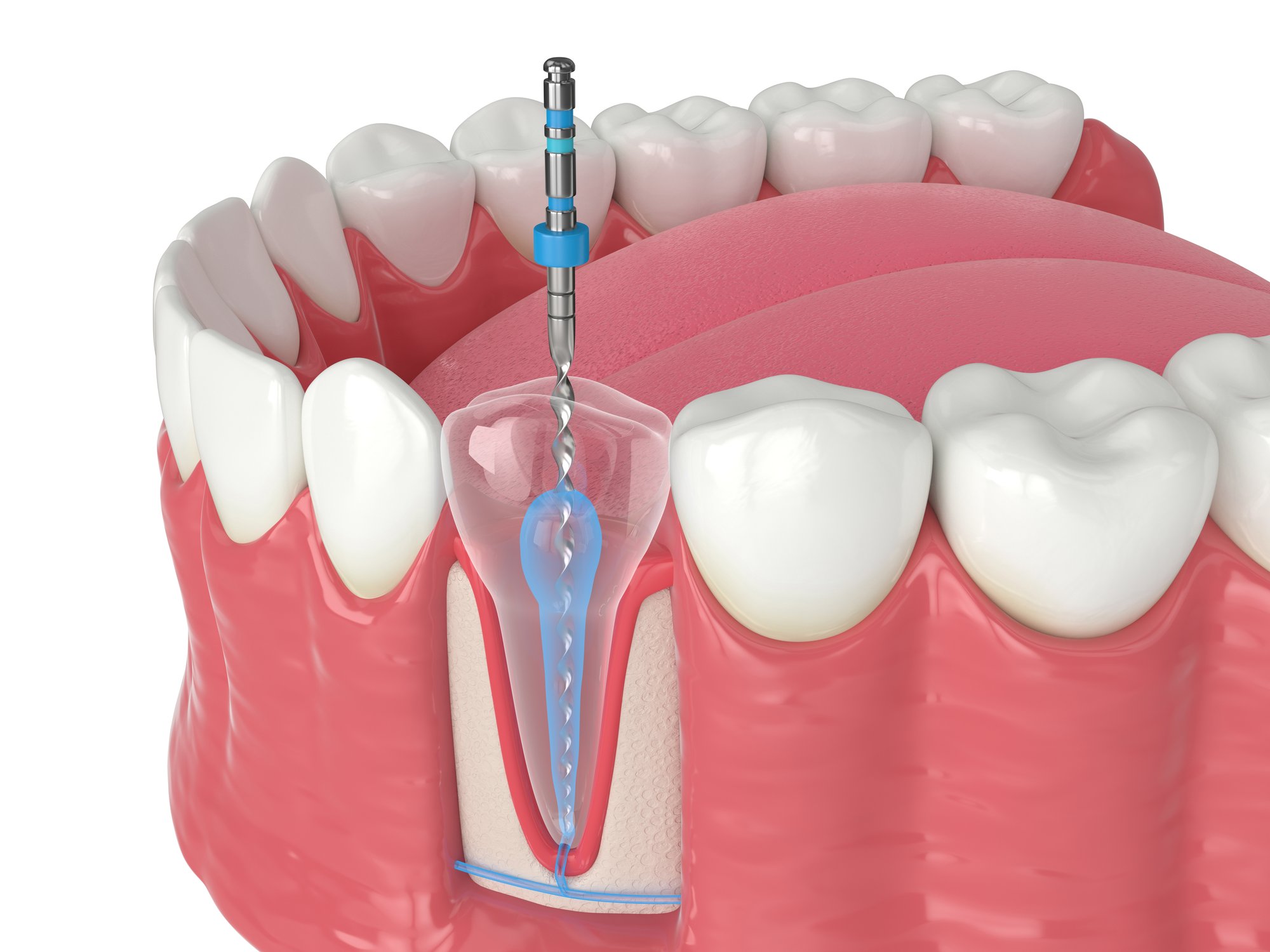
Wondering what really happens if you put off a root canal? Choosing to wait to get a root canal rarely makes the problem go away, and it usually makes things worse. A root canal treatment removes infected or inflamed pulp from inside a tooth, then cleans and seals it to stop the infection. Once that inner tissue is damaged, it can’t heal on its own, so the infection keeps advancing until it’s treated. Understanding what’s at stake makes the decision to move forward a lot easier.
Key Takeaways
- Waiting to get a root canal lets a tooth infection spread instead of settle down.
- Damaged pulp can’t heal on its own, so the problem only advances without treatment.
- Delays raise the odds of an abscess, bone loss, and eventually losing the tooth.
- The infection can spread beyond the tooth into the jaw and surrounding tissues.
- Treating it early is simpler, more comfortable, and much more likely to save the tooth.
What Happens if You Wait to Get a Root Canal?
The short version is that the infection keeps going. According to the Cleveland Clinic, a root canal removes a tooth’s infected pulp, then disinfects and seals it so the tooth can stay in place. Skip that step, and the bacteria inside the pulp chamber have nowhere to go but deeper. Over time, the infection can reach the tip of the root and form a pocket of pus called an abscess. What might have been a straightforward procedure can turn into a much more complex one, or a lost tooth. An abscess can also drain into the gum or spread into nearby bone, and by then saving the tooth may take extra visits, extra cost, and more healing time than the original treatment would have.
Can the Tooth Heal Without a Root Canal?
It’s a hopeful thought, but no. Once the pulp inside a tooth is infected or dying, the body can’t reverse it the way it heals a cut or a cold. The tooth has no way to flush out the bacteria on its own, since the pulp sits sealed inside hard layers of dentin and enamel. Pain might fade for a while, which fools people into thinking the problem resolved, but that often means the nerve has died, not that the infection cleared. The only reliable way to stop it is to remove the infected tissue and seal the space. Left alone, the bacteria simply keep multiplying inside the canal, feeding on the dead tissue with nothing to hold them back.
How Long Can You Safely Wait?
There’s no safe countdown clock. Some infections smolder slowly, while others flare into severe pain or swelling within days. Waiting a little for scheduling is understandable, but weeks or months give the infection room to spread and do real damage. If a tooth starts throbbing, swelling, or turning sensitive to pressure, that’s a sign the situation is escalating. Sooner is always safer than later when infected pulp is involved. It’s also common for the pain to come and go, which tempts people to wait, even though the underlying infection never actually pauses.
What Are the Risks of Doing Nothing?
Doing nothing carries steeper costs than it first appears. Left untreated, an infection can eat away at the bone around the root and loosen the tooth. It can spread into the jaw, the sinuses, or the soft tissues of the face and neck, which occasionally turns into a medical emergency. Extraction may become the only option, and replacing a tooth with an implant or bridge costs more time and money than saving it would have. The tooth you already have is almost always worth protecting. Weighing a routine procedure now against surgery, an extraction, or an emergency visit later usually makes the choice clear.
Frequently Asked Questions
Does waiting make a root canal more painful?
Often, yes. As the infection grows, so does the pressure and inflammation, which usually means more discomfort by the time treatment finally happens.
Can antibiotics replace a root canal?
No. Antibiotics can calm an infection for a while, but they can’t reach the dead tissue sealed inside the tooth, so the infection returns without a root canal.
Is it ever too late for a root canal?
Sometimes. If too much tooth structure or bone is lost, extraction may be the only choice, which is exactly why acting early matters so much.
Sooner Beats Later Every Time
What happens if you wait to get a root canal? The infection advances, the risks climb, and a savable tooth can slip toward extraction. A timely root canal treatment stops the infection, relieves the pain, and keeps your natural tooth right where it belongs. There’s no real benefit to putting it off and a lot to lose by waiting. A quick evaluation is the fastest way to find out where your tooth stands and how simple the fix can still be. Catching it now keeps the treatment predictable and your natural tooth intact.
If you want to learn more about what happens when you wait to get a root canal, visit our Root Canal Treatment in Laguna Hills, CA page or schedule a consultation.