Table of contents
Thought your root canal was the end of the trouble, only for pain to return? An infection can sometimes come back after a root canal, usually because bacteria find their way into the tooth again. Reinfection means the tooth that was treated has become home to bacteria and inflammation once more. When it flares up with pain or swelling, it becomes a dental emergency that needs prompt care. Our team helps people from Laguna Hills to nearby Laguna Niguel and Aliso Viejo when that happens.
Key Takeaways
- A treated tooth can become reinfected later on. Bacteria are usually the cause.
- Common culprits include a cracked or leaking filling. A delayed crown or new decay can also let bacteria in.
- Missed canals from the first treatment may harbor bacteria. The infection can resurface over time.
- Returning pain, swelling, or a gum pimple are warning signs. A painful flare-up is an emergency.
- Prompt care can still save the tooth. Retreatment or surgery clears the infection.
Why Does an Infection Come Back After a Root Canal?
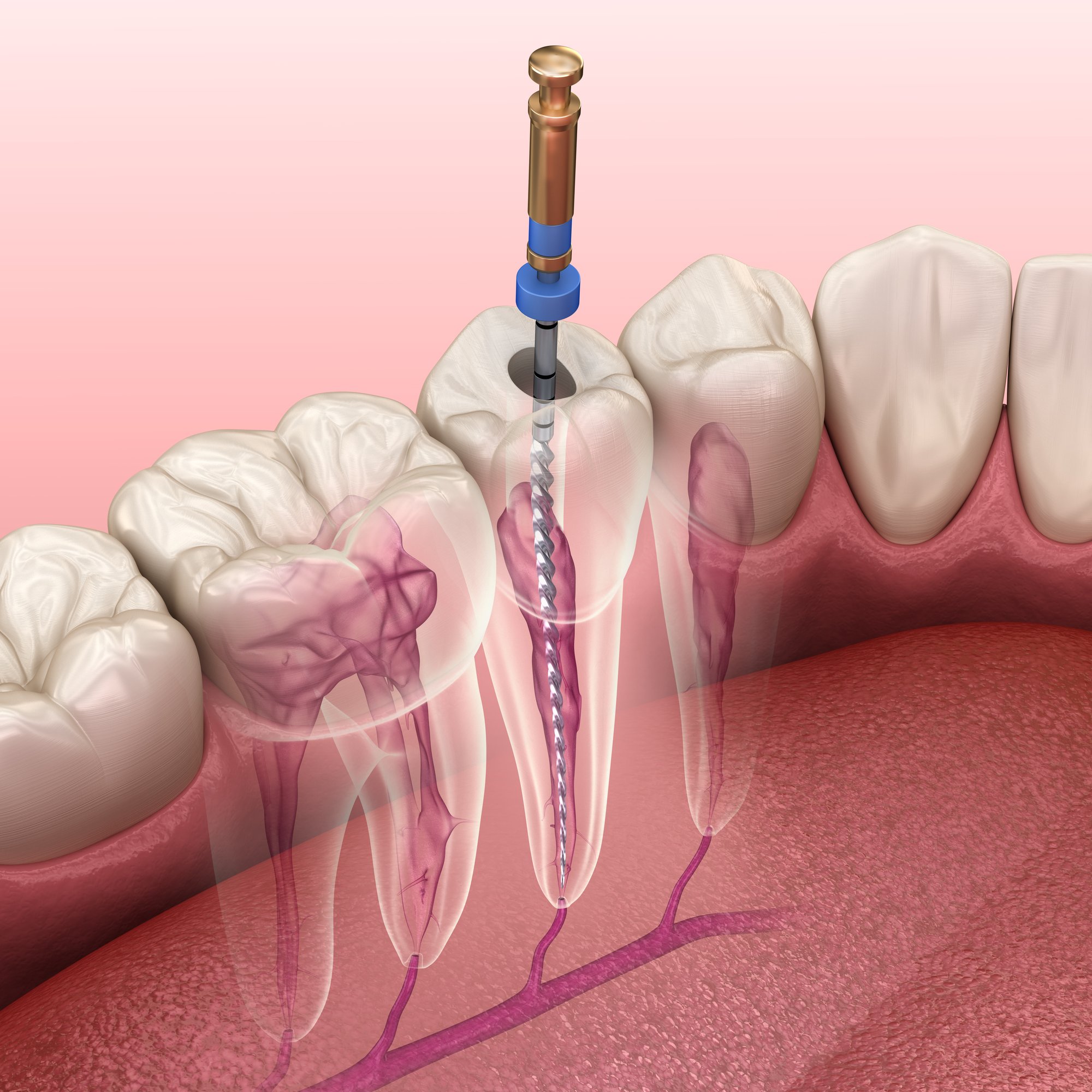
A root canal removes infected pulp, but the tooth is not sealed off from the world forever. As Colgate explains, a treated tooth can become reinfected if hidden or curved canals were missed, if a filling or crown cracks or leaks, or if the permanent restoration is delayed. New decay or a fresh injury can also give bacteria a way back in. Once they return, the old infection can rebuild inside the tooth. That is why symptoms sometimes resurface months or even years later. The tooth may have felt completely normal in between, since reinfection can stay quiet until it suddenly is not.
What Are the Warning Signs?
Reinfection tends to feel familiar, much like the trouble that led to the first root canal. Watch for renewed pain, tenderness when biting, or swelling in the nearby gum. A pimple-like bump that drains, a bad taste, or a foul smell can also show up. Because the tooth may have no nerve, an X-ray sometimes catches it first. Do not wait for severe pain to take a returning symptom seriously, because early signs are far easier to treat than a full flare-up.
Why Is a Returning Infection an Emergency?
A dental infection is not something to wait out. Left alone, it can spread into the jaw, form an abscess, and cause serious swelling. Pain, fever, or facial swelling are signs you need urgent care right away, so acting fast is always the safer choice. Treating it early as a dental emergency protects both the tooth and your overall health. An infection near the jaw is never something to shrug off, and prompt care keeps a manageable problem from becoming a dangerous one.
What Should You Do if It Happens?
The most important step is to call for care quickly. In the meantime, you can rinse with warm salt water and use a cold compress to ease any swelling. Over-the-counter pain relief can keep you comfortable until you are seen. Try to avoid chewing on that side, and do not ignore symptoms that keep getting worse. Keep the area clean, but skip anything that irritates it further, since these steps buy time until you can be seen.
How Is a Reinfected Tooth Treated?
The goal is to clear the infection and save the tooth whenever possible. Retreatment reopens the tooth to remove bacteria and reseal the canals, while an apicoectomy can treat infection at the root tip. In some cases, antibiotics help control swelling before treatment begins. The right choice depends on where the infection sits and how far it has spread. Our endodontist will recommend the approach that gives your tooth the best chance.
Frequently Asked Questions
Is a reinfected root canal an emergency?
It can be, especially with pain, swelling, or fever. Those signs mean the infection is active and spreading. Call for urgent care rather than waiting it out.
Can a reinfected tooth still be saved?
Often, yes. Retreatment or a small surgery can remove the new infection and preserve the tooth. Acting quickly gives the tooth its best chance at a full recovery.
How do I prevent reinfection after a root canal?
Getting the permanent crown placed promptly is one of the best safeguards. Daily brushing, flossing, and routine visits keep the tooth healthy too. Fixing any cracked or worn restoration early also keeps bacteria out.
Acting Fast on a Returning Infection
So why does an infection come back after a root canal? Usually because bacteria slip back in through a missed canal, a leaking restoration, or new decay. Treating a painful flare-up promptly as a dental emergency gives our team the best chance to save the tooth. If an old root canal starts hurting again, reach out for care without delay.
If you want to learn more about handling an infection after a root canal, visit our Emergency Services in Laguna Hills, CA page or schedule a consultation.