Table of contents
Told your root canal didn’t work and worried the tooth is a lost cause? In many cases, surgery can still save a tooth after a failed root canal. Endodontic surgery is a minor procedure that treats infection at the very tip of the tooth’s root, where a standard root canal can’t reach. When retreatment isn’t practical, this surgery is often what stands between keeping your natural tooth and losing it. It’s more routine and more comfortable than it sounds.
Key Takeaways
- When a root canal fails, endodontic surgery can often save the tooth instead of removing it.
- The most common type is an apicoectomy, which removes the infected tip of the root.
- It’s used when a standard root canal or retreatment can’t resolve the infection.
- The alternative to surgery is usually pulling the tooth and replacing it.
- The procedure is done under local anesthesia, with most people back to normal in a few days.
Can Surgery Save a Tooth After a Failed Root Canal?
Often, yes, and that’s the whole point of the procedure. As Healthline explains, an apicoectomy is an outpatient surgery performed when standard root canal therapy isn’t enough to save a tooth, and the alternative is usually removing the whole tooth. It works by treating the infection at the root tip directly, an area a routine root canal can’t fully clean. For a tooth that keeps flaring up despite a prior root canal, surgery is often the last, best option before extraction. Keeping the natural tooth protects the bite and the bone around it, which no bridge or implant fully replicates. That’s a big part of why endodontists work so hard to save a tooth before giving up on it.
What Is Endodontic Surgery, Exactly?
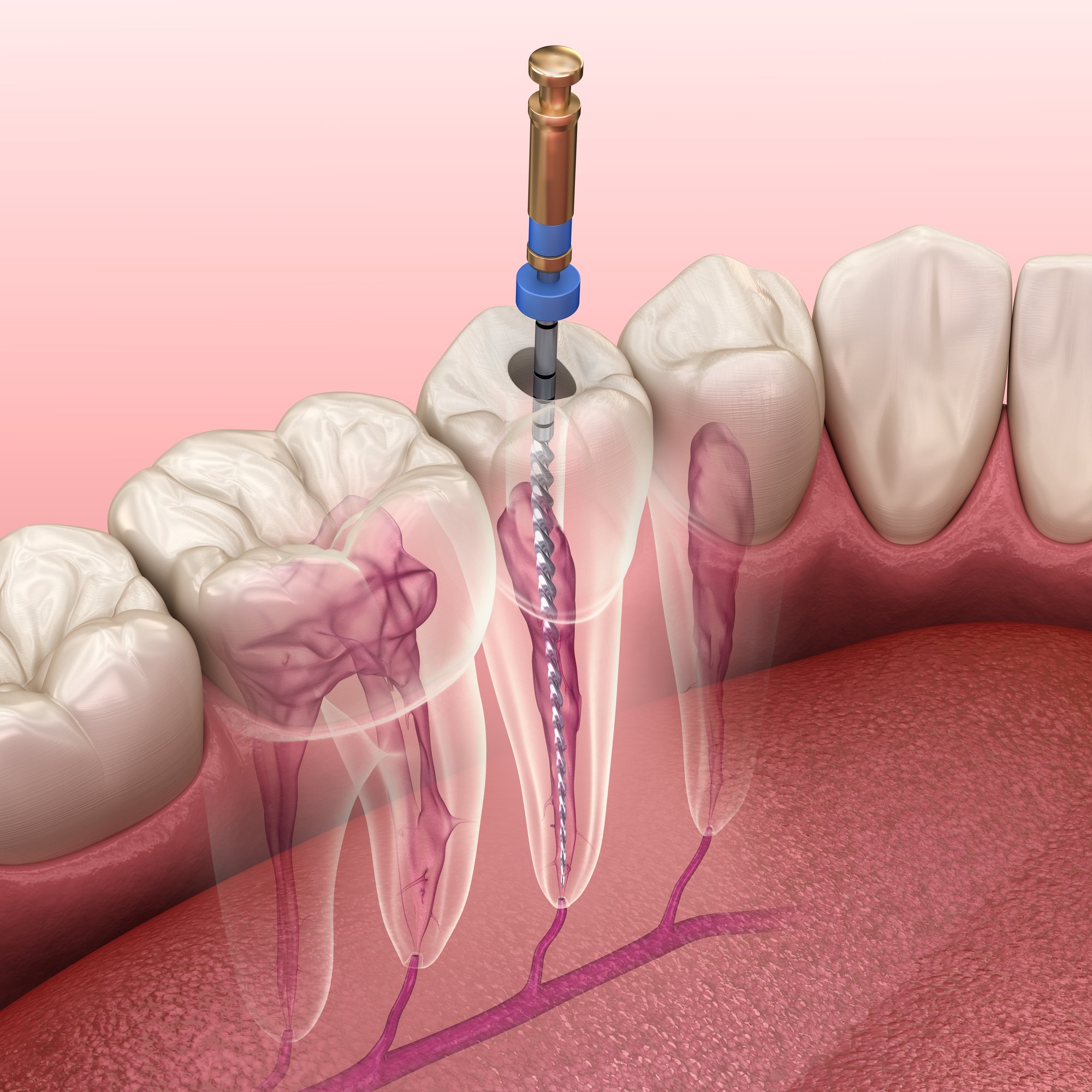
It’s a small, focused procedure, not the ordeal people imagine. Endodontic surgery treats problems at the root of a tooth that a standard root canal, done from the crown down, can’t fix. The most common version is an apicoectomy, also called root-end surgery, and it targets just the problem area at the very tip. Rather than working through the top of the tooth, an endodontist reaches the root tip through the gum. It’s precise, targeted, and usually wraps up in under an hour. Because it works from the outside of the root, it can solve problems that a repeat root canal simply can’t reach.
How Does an Apicoectomy Work?
The steps are more straightforward than the name suggests. After numbing the area, an endodontist makes a small incision in the gum near the problematic tooth to reach the root tip. The infected tissue and the end of the root are removed, and the tip is sealed with a small filling to keep bacteria out. That seal is what stops the infection from creeping back once healing begins. The gum is stitched back into place, and it begins healing over the next several days, much like any small incision in the mouth. Modern microscopes and tiny instruments make the whole procedure very precise, so only the tissue that truly needs to go is removed.
What’s Recovery Like After the Surgery?
Recovery is usually quicker and easier than the word surgery suggests. Most people manage any discomfort with over-the-counter pain relief and are back to normal activities within a day or two. Mild swelling or tenderness around the site is common and fades over a few days, helped along by a cold compress in the first day or two. Following simple aftercare, like gentle brushing and soft foods early on, keeps healing on track. The stitches typically come out or dissolve within a week or so. The bone around the treated root then continues to heal over the following months, which a follow-up visit confirms.
Frequently Asked Questions
How successful is endodontic surgery?
It has a high success rate, especially with modern tools, and often resolves an infection a root canal couldn’t. An endodontist can estimate the odds for your specific tooth.
Is an apicoectomy painful?
Not during the procedure, since the area is fully numbed. Afterward, most people describe mild soreness that’s easily managed with over-the-counter medication.
What happens if surgery isn’t an option?
If the tooth can’t be saved, extraction followed by an implant or bridge is the usual path. An endodontist will tell you honestly when surgery is worth attempting.
One More Way to Keep Your Natural Tooth
Can surgery save a tooth after a failed root canal? Very often, yes. Endodontic surgery reaches the infection at the root tip that a standard root canal leaves behind, giving a struggling tooth one more real chance at staying put for years to come. When the alternative is losing the tooth, that chance is well worth exploring. A short consultation, usually with imaging, is the clearest way to find out if surgery can save your tooth. When it can, it’s usually the most conservative path to keeping what nature gave you.
If you want to learn more about saving a tooth after a failed root canal, visit our Apical Surgery in Laguna Hills, CA page or schedule a consultation.