Table of contents
Worried that a failing root canal means losing the tooth? In most cases, it does not. A failed root canal can often be fixed with retreatment, which saves the tooth instead of pulling it. Root canal retreatment reopens the tooth, clears any lingering infection, and reseals the canals. For a tooth that has flared up again, this second procedure is usually the first choice before extraction. Many patients assume a failed root canal automatically means losing the tooth, but that is rarely true, and the right approach depends on why the first treatment did not hold. With modern techniques, the odds of saving it are strong.
Key Takeaways
- A failed root canal can usually be saved with retreatment rather than extraction.
- Retreatment reopens the tooth to clean, disinfect, and reseal the canals again.
- It is typically tried first, before extraction is ever put on the table.
- Endodontic microsurgery offers a second route when retreatment alone is not enough.
- Keeping the natural tooth protects the surrounding bone and your existing bite.
Can a Failed Root Canal Really Be Saved?
Yes, and saving it is usually the goal. According to Colgate, when a previously treated tooth causes problems, an endodontist can often reopen it, remove the old filling material, and clean and reseal the canals in a procedure called retreatment. This gives the tooth a second chance to heal. The alternative, extraction, means replacing the tooth with an implant or bridge, which is often more involved.
Retreatment is a tooth-preserving option that many people do not realize exists. Endodontists specialize in exactly this kind of tooth-saving work, and their training and technology give a struggling tooth its best chance. In many cases, the tooth goes on to function for years afterward, and preserving your own tooth also protects the surrounding bone and bite. Extraction is a bigger step than many people expect.
What Does Retreatment Involve?
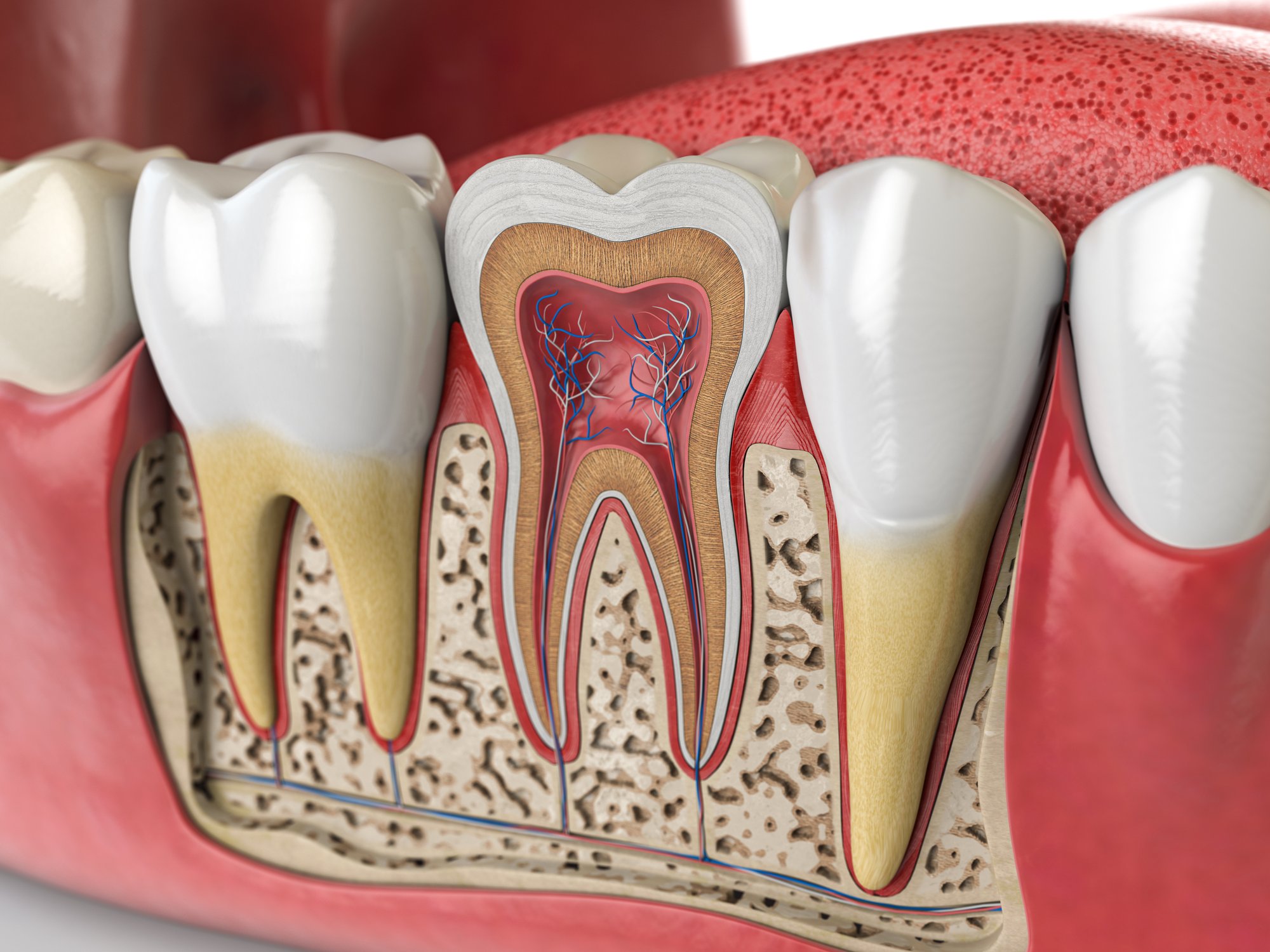
Retreatment is essentially a carefully redone root canal. The endodontist removes the crown or filling to reach the canals, then takes out the original sealing material. With magnification, they search for missed or complex canals and clean out any infection. The canals are disinfected, refilled, and sealed, and a new restoration is placed. Modern tools make this second treatment more thorough than the first. The operating microscope is central to this, revealing anatomy that may have been missed originally, since some canals are narrow, curved, or hidden. The endodontist disinfects the entire system before sealing it, and most retreatments are completed in one or two visits. A well-fitted crown afterward protects the tooth for the long term.
Why Do Some Root Canals Fail?
A treated tooth can develop new trouble over time. Patients often ask, can a root canal get reinfected, and the answer is yes, though it is uncommon. A hidden canal, a delayed crown, new decay, or a crack can let bacteria back in. That is how a root canal gone bad after years can suddenly cause pain or swelling. The important part is that reinfection does not automatically mean the tooth is lost.
Sometimes the original treatment was excellent, but a cracked filling or a cavity years later can undo an otherwise perfect result. Catching these problems early makes them more manageable, so any new pain in a treated tooth deserves attention. Failure is uncommon, but it is not a reason to panic.
When Is Surgery the Better Option?
Sometimes the fix comes from the root tip instead. If retreatment is not possible or does not resolve the problem, an apicoectomy may help. In this microsurgery, the endodontist treats the infection and seals the root from its tip, without redoing the whole canal. It is often used when a well-made crown or post would be difficult to remove. Between retreatment and surgery, most failed root canals can still be saved.
The choice between retreatment and surgery depends on the tooth and the restoration on it, and an endodontist weighs both paths to recommend the one most likely to succeed. Either way, the aim is the same: keep the natural tooth, and both procedures have high, well-documented success rates. Extraction is considered only when neither option can.
What Happens If You Do Nothing?
Ignoring a failing root canal only raises the stakes. The infection will not clear on its own and can spread, leading to an abscess, bone loss, and eventually loss of the tooth. Acting early keeps retreatment more straightforward and predictable. The longer you wait, the more likely extraction becomes the only option. Prompt evaluation is the best way to protect the tooth. An untreated failure can also affect neighboring teeth and the surrounding bone, and what could have been a straightforward retreatment may become surgery or extraction. Prompt care almost always means a better, less invasive outcome, so time is genuinely on your side only if you act early.
Giving Your Tooth a Second Chance
A failed root canal is rarely the end of the road for a tooth. Root canal retreatment, and sometimes microsurgery, can clear the infection and preserve your natural tooth. These options are usually tried before extraction, because keeping your own tooth is almost always best. If a treated tooth is hurting again, acting early gives it the best chance to heal.
If you want to learn more about fixing a failed root canal, visit our Root Canal Retreatment in Laguna Hills, CA page or schedule a consultation.